GreenLinks: Growing Safe Vegetables and Connecting Farmers to Premium Markets in Kenya
Demand for safe, traceable vegetables is growing in Nairobi. Yet most small and medium-scale farmers around the city sell into informal markets, where prices are low and demand is unstable. Supermarkets and premium retailers mostly buy from large commercial farms, because smaller farmers struggle to meet food safety and quality standards consistently.
GreenLinks sets out to change this. The three-year project will work with 300 small and medium-scale vegetable farmers in Kajiado, Kikuyu and Thika. The partnership between Koppert, Holland Greentech, Latia, Future Water and Greenspoon is supported by the Dutch government (RVO) to increase farmer income and enhance sustainable, safe vegetable production.
Safe Food for Kenyan Consumers
Overuse of chemical pesticides is widespread among Kenya’s agriculture sector. In 2020, Kenyan farmers applied over 3,000 tonnes of pesticides. More than 60% of these were considered highly hazardous, and nearly half are banned in Europe. Export markets enforce strict residue limits, but the local market is far less regulated. In a consumer survey in Nairobi, Kajiado and Kirinyaga, 87% of respondents named pesticide misuse as their top food safety concern.
We want this safe produce to be consumed right here in Kenya, not just exported. – Bart Pauwels, Agricultural Counsellor at the Embassy of the Kingdom of the Netherlands
From Seed to Shelf
TRAIDE Foundation helped to bring together Dutch and Kenyan companies that each cover one stage of a vegetable’s journey, from the seed to the consumer’s plate.
It starts in the field. Holland Greentech provides hybrid seed varieties suited to Kenyan conditions, along with tailored input packages. FutureWater helps farmers use water more efficiently: its SOSIA service sends daily irrigation schedules to farmers’ phones through WhatsApp, and Rapid Eye XS spots crop stress early. To protect the crop, Koppert introduces biological crop protection and trains farmers in integrated pest management (IPM).
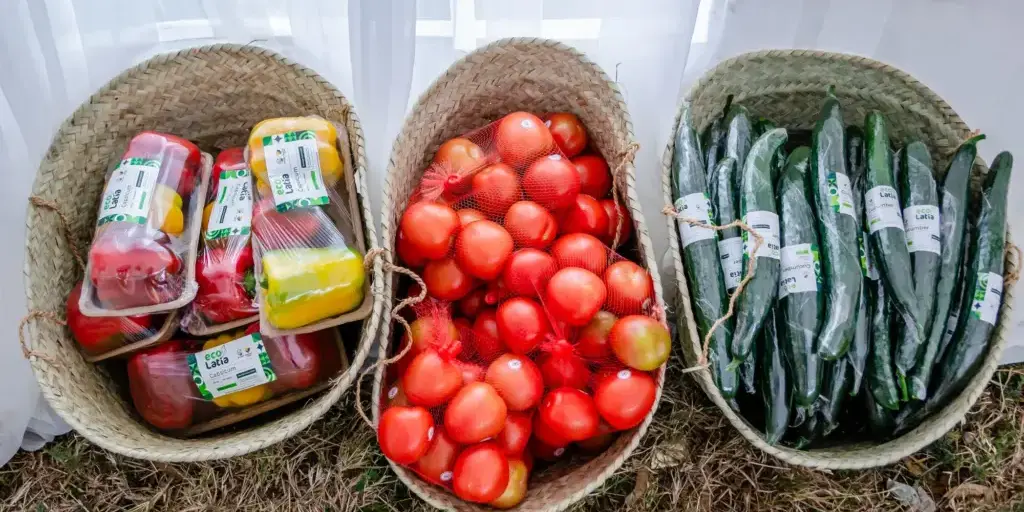
After harvest, Latia Agribusiness Solutions takes over. It runs the collection centres, trains farmers and young people, and sells the produce under its Eco-Latia label, which guarantees minimal use of chemical pesticides. Finally, Greenspoon, Kenya’s leading premium online retailer of safe, traceable food, brings the vegetables to consumers in Nairobi.
Farmer Hubs for Inputs and Aggregation
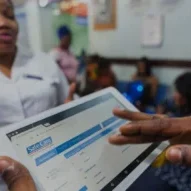
Three collection centres in Kajiado, Kikuyu and Thika towns will serve as hubs for aggregation, quality assurance and training. Each will have an input outlet selling approved seeds, biological crop protection products and other farm inputs. A digital traceability system tracks the produce from farm to retailer. Latia will own and manage the centres, ensuring long-term sustainability and scaling opportunities.
Training Farmers and Young People
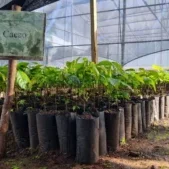
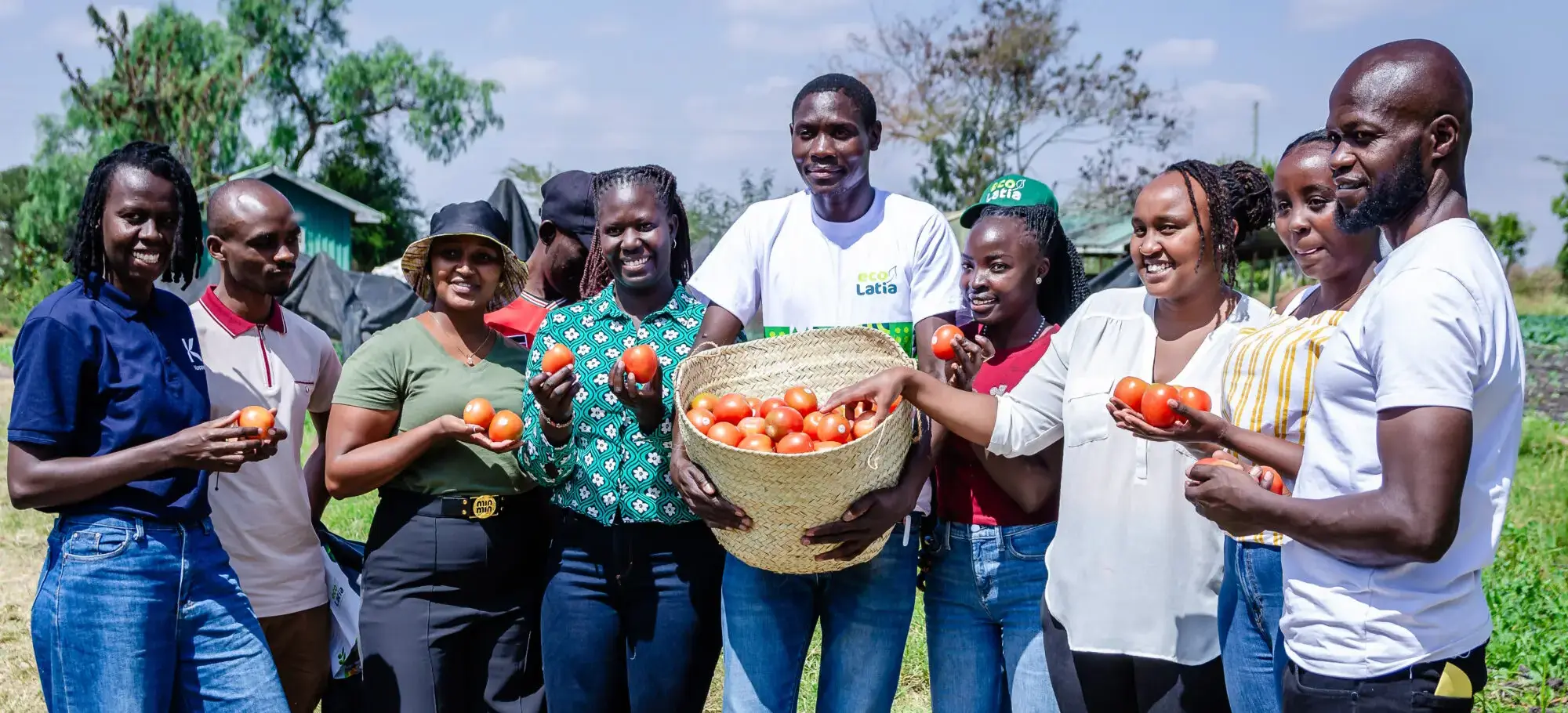
Farmers will be trained in good agricultural practices (GAP), IPM, efficient irrigation and post-harvest handling, followed by mentoring and on-farm visits. Demonstration plots for capsicum, tomato and cucumber will show the new inputs and technologies in practice. The project will also train 100 young people in farm operations, packaging, quality control and advisory work, and place them in jobs in the value chain.
Higher Incomes, Wider Reach
Greenspoon pays farmers 20–40% more than informal markets. Through better yields, lower losses and premium prices, GreenLinks aims to double the net income of the 300 participating farmers. The Eco-Latia supplier network is set to grow from about 200 to 500 farmers, so that around 840,000 consumers in the Nairobi area can buy safe, traceable vegetables, three times as many as today. Across the value chain, the project expects to create around 2,000 direct and indirect jobs.
Looking Ahead to Export
An export-readiness study will assess what farmers need to meet EU food safety and maximum pesticide residue requirements. A second study will look at financial services, such as input financing and digital credit scoring, to help farmers afford hybrid seeds, irrigation and certification. Together, these steps aim to build a model that can grow beyond the project and help smallholders reach new export markets.
Want to know more about GreenLinks, or about our work in Kenya? Contact us at info@traide.org.