From Subsistence to Spice: Chili as a Catalyst for Income Growth in Burundi
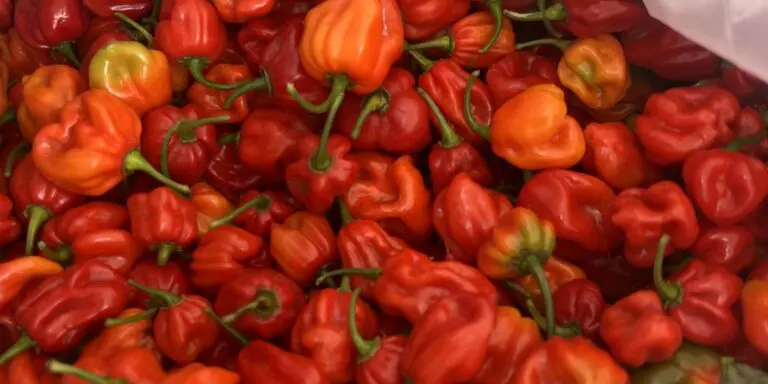
Farmers in Mwaro, in Burundi’s central highlands, earn about €700 a year, less than €2 a day. Most grow food for their own households, with little access to buyers or quality inputs. Yet a plot of chilli of just 0.01 hectare, about 10 by 10 metres, could almost double that income. Together with Ecodiverse, Holland Greentech and SmartFarming, TRAIDE Foundation launched a three-year project to build Burundi’s first certified organic dried chilli export chain. Funded by Achmea Foundation, the project is designed to include smallholder farmers from the start.
Competing on Quality, Not Volume
Burundi is landlocked and cannot compete with large producers on bulk crops. It can compete on quality in niche products such as organic dried chilli. European imports of dried chilli grew by about 5.5% a year between 2019 and 2023, and demand for organic products continues to rise.
What holds farmers back is a market system with missing links: no reliable buyers, few quality inputs, little irrigation and no traceability for certification.
Rather than competing on scale, Burundi can compete on differentiation in niche export segments.
Partnering to Close the Gaps
Each partner contributes a missing piece of the chain. Ecodiverse, a Burundian organic agribusiness that has grown chilli in Mwaro since 2025, buys from farmers at fixed prices and handles drying, certification and export. Holland Greentech, a Dutch horticulture specialist, strengthens the nursery, seedling supply and irrigation. SmartFarming, a digital farming company, provides a farm management information system (FMIS) that records every farmer, field and delivery. TRAIDE Foundation built the partnership and coordinates the project.
From Seedling to Field
In September 2026, TRAIDE and Holland Greentech visited Ecodiverse in Mwaro. At the training site, a 50 m² plot with 192 chilli plants was being prepared for each farmer. The first 40 farmers, recruited through local government, started in October as planting began. They check in to each session with a QR code in the FMIS and receive a diploma when they complete the course.
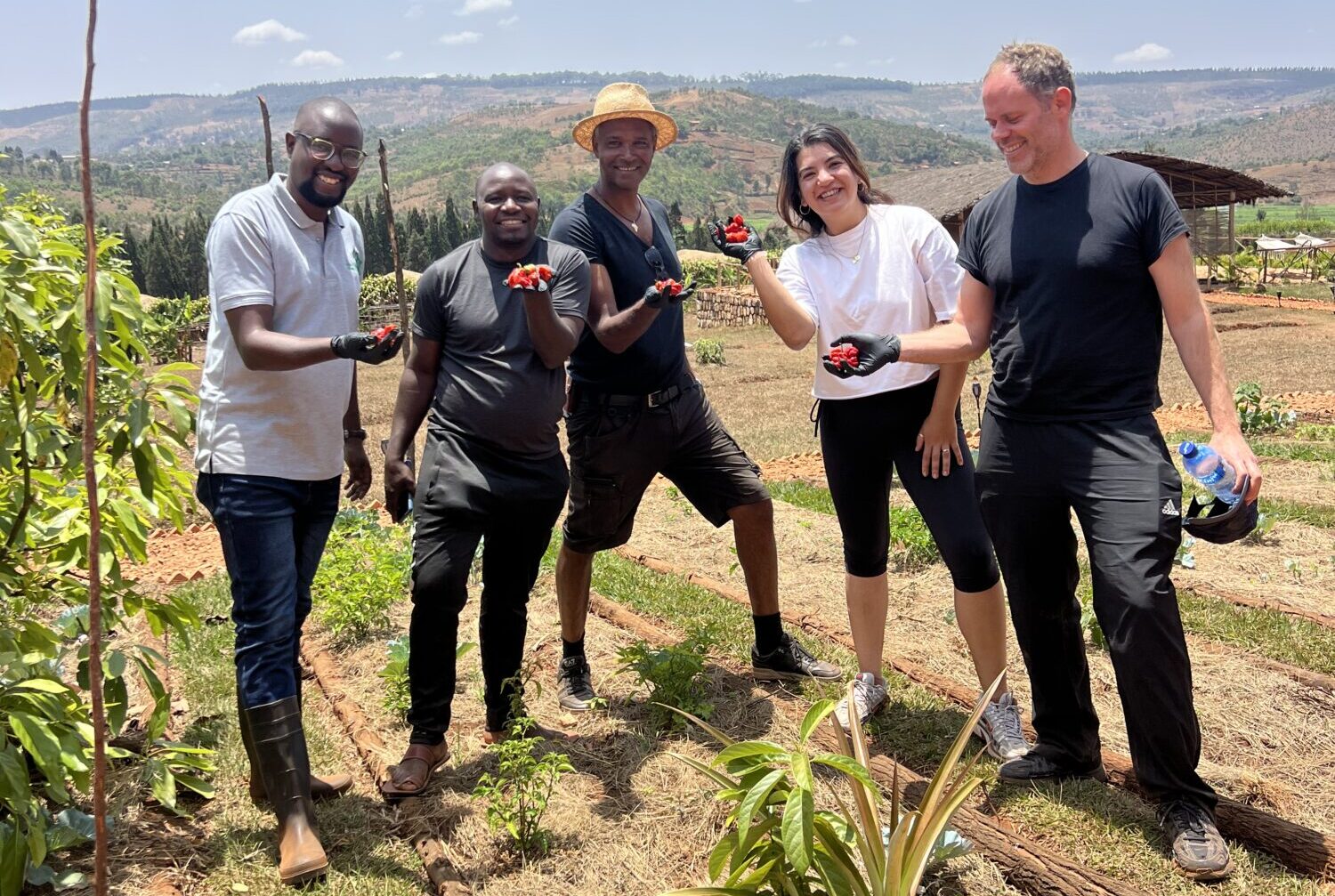
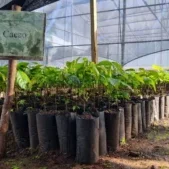
A new greenhouse and nursery will cut the time needed to raise seedlings from two months to one. Holland Greentech is installing the irrigation system, followed by fertigation, which feeds plants through the irrigation water. The greenhouse, nursery and irrigation will be completed in early December.
Doubling Income, with Room to Grow
On a 0.01-hectare plot, chilli is expected to add about €690 a year, nearly doubling household income. With organic certification, this rises to about €1,490, bringing total household income to roughly €2,190.
The project will grow from 40 farmers in year one to 320 by year three, and the model could reach about 1,280 farmers by year six. The combination of a committed buyer, quality inputs, practical training and digital traceability can be replicated in other regions of Burundi and adapted to other crops.
Want to know more about the project, or about business opportunities in Burundi’s horticulture sector? Contact us at info@traide.org.